The Rise of AI Agents: How Autonomous Systems Are Changing Software Development
AI agents are no longer science fiction. From autonomous code reviewers to self-healing infrastructure, discover how agentic AI is reshaping the way we build and maintain software in 2025.
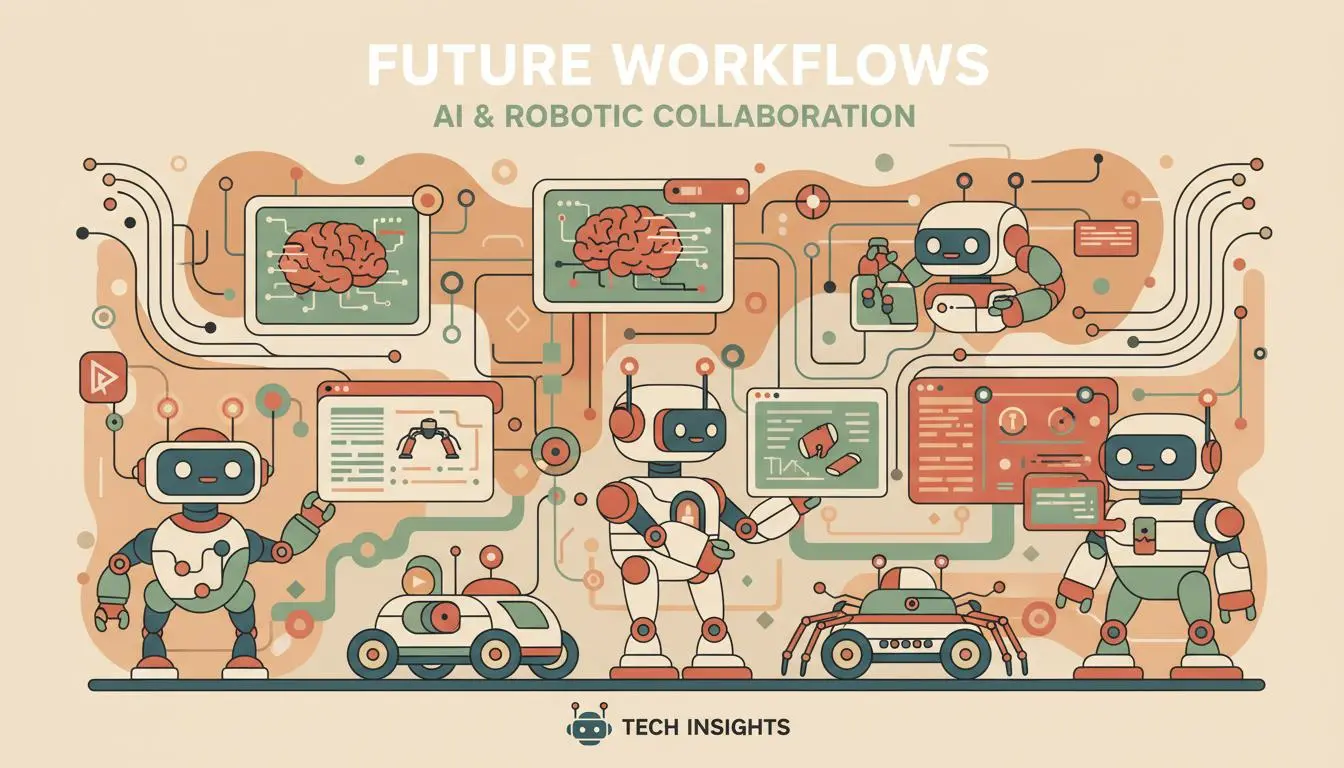
Just two years ago, the idea of an AI 'agent' that could plan, call tools, and finish a multi-step task on its own felt like a demo trick. In 2025, agents have quietly slipped into the day-to-day of real engineering teams — reviewing pull requests, triaging incidents, and even opening their own follow-up tickets.
What changed is not the models alone, but the orchestration layer around them. Frameworks like LangGraph, CrewAI, and custom in-house runtimes turned single LLM calls into stateful workflows: a planner decomposes the goal, specialized workers handle the steps, and a verifier checks the result before anything ships.
In my own projects I've replaced large blocks of brittle automation with small, focused agents. A 'release notes agent' reads merged PRs and drafts a changelog. A 'log triage agent' clusters errors and proposes the likely root cause. None of these are magical — each one is a narrow tool with a well-defined contract — but together they remove an enormous amount of toil.
The risk is the same as with any powerful abstraction: it hides failure. An agent that silently retries, hallucinates a tool argument, or loops forever can be far more expensive than a script that simply crashes. The teams getting real value treat agents like junior engineers — observable, sandboxed, and always reviewed before they touch production.
If you're starting today, don't try to build a general-purpose AGI for your codebase. Pick one painful, repetitive workflow, give an agent the smallest possible toolbox, and measure whether it actually saves time. That's where the rise of AI agents becomes real engineering instead of a keynote slide.