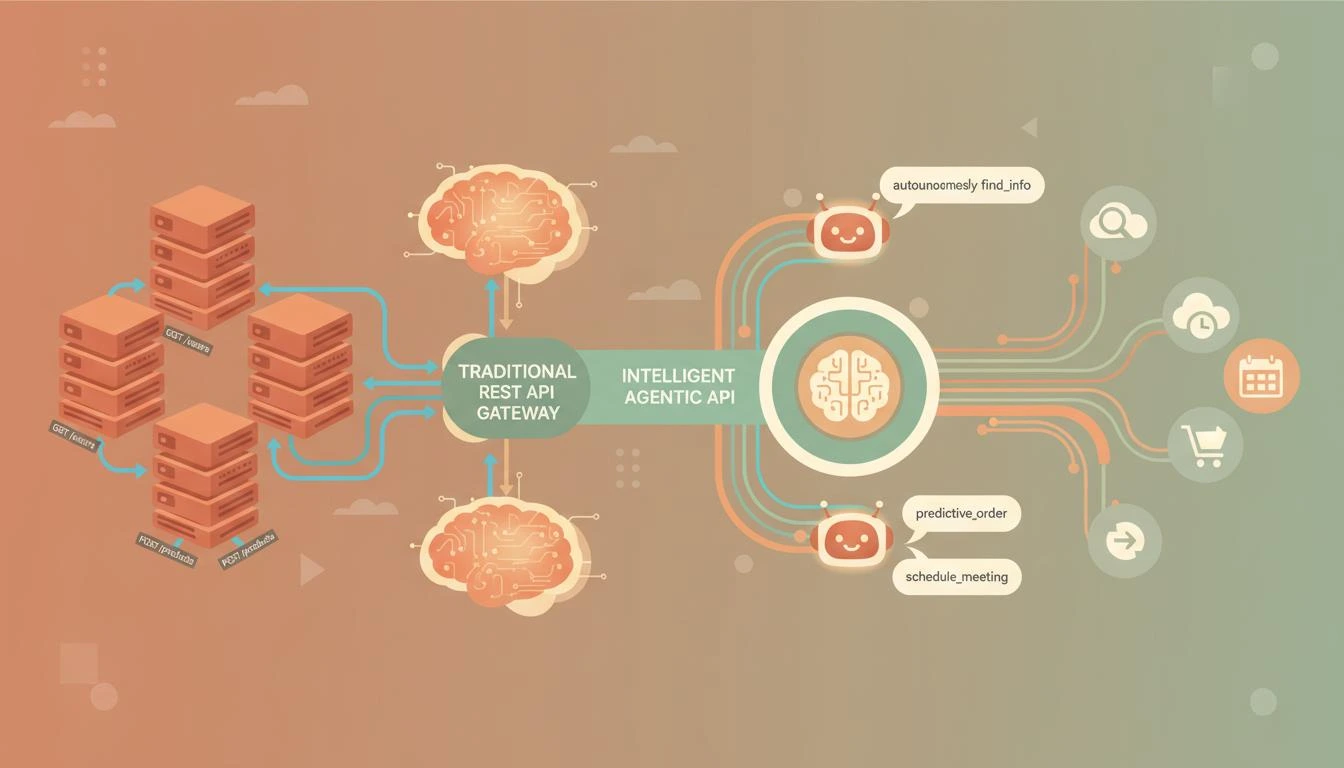
FastAPI vs Django: Why I Switched to FastAPI for AI-Powered Backends
When building AI-integrated services, framework choice matters. Here's why FastAPI's async nature, automatic OpenAPI docs, and Pydantic integration made it my go-to for ML-powered APIs.
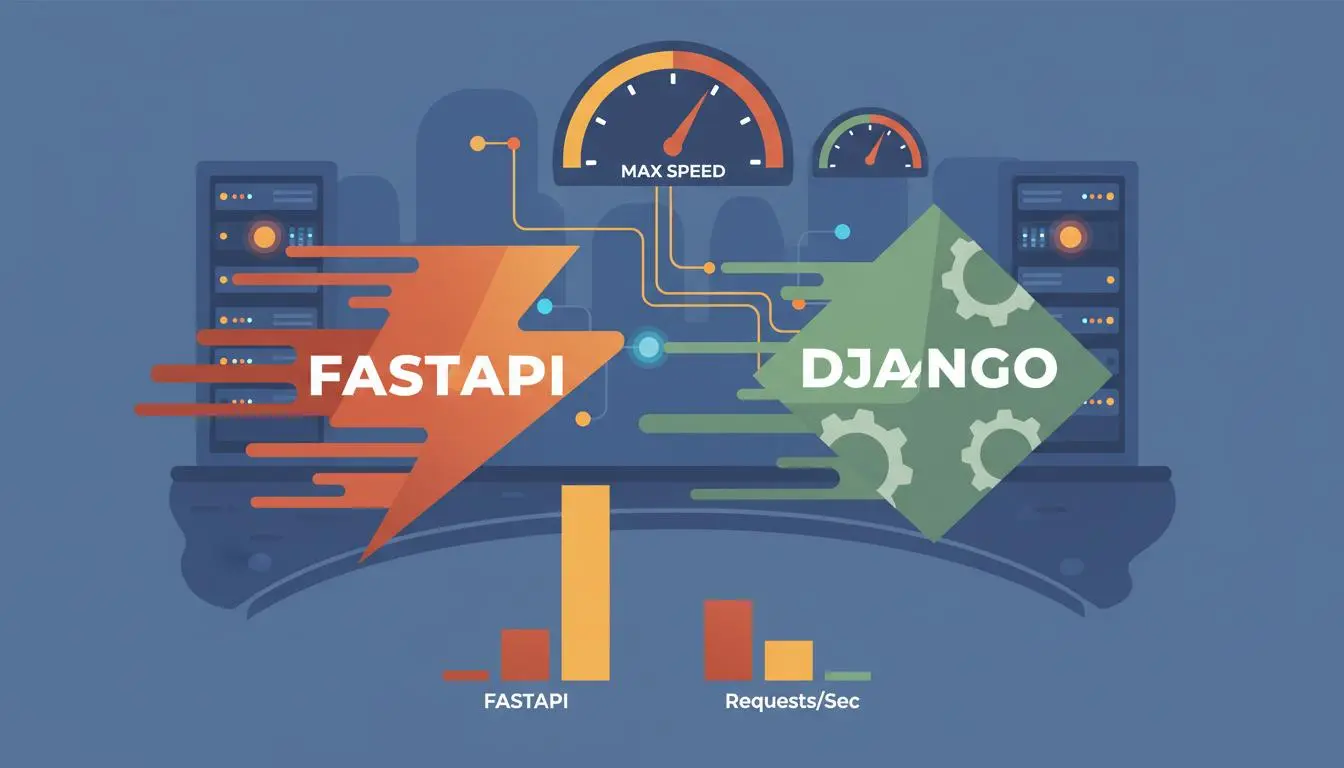
I love Django. It powered the first five years of my backend career, and for content-heavy CRUD apps it's still hard to beat. But the moment my workloads turned into 'call an LLM, stream tokens back, fan out to three vector stores', Django started fighting me instead of helping.
FastAPI flips the defaults. Async is first-class, so a request that waits 8 seconds on an OpenAI completion doesn't block a worker. Pydantic models double as request validation and as the schema for downstream LLM tool calls — one source of truth instead of three.
The OpenAPI docs that ship for free turned out to be more important than I expected. When the frontend, the mobile team, and an internal agent all need to call the same endpoint, having a generated, always-correct spec removes an entire category of integration bugs.
I haven't deleted Django from my toolbox. Admin panels, auth, and classic database-backed apps still ship faster there. But for anything that touches an LLM, a queue, or a streaming response, FastAPI is now my default — and I haven't missed the ORM as much as I expected, thanks to SQLModel and a thin repository layer.
The real lesson isn't 'FastAPI wins'. It's that AI workloads have a different shape — long, async, streaming, schema-heavy — and your framework should be optimized for that shape, not for the shape of a 2015 web app.